The Federal Government has unveiled a new push for what it described as “smart, durable and economically impactful infrastructure,” with the approval of a N150bn extension of the Bodo-Bonny Road project in Rivers State under a Public-Private Partnership arrangement.
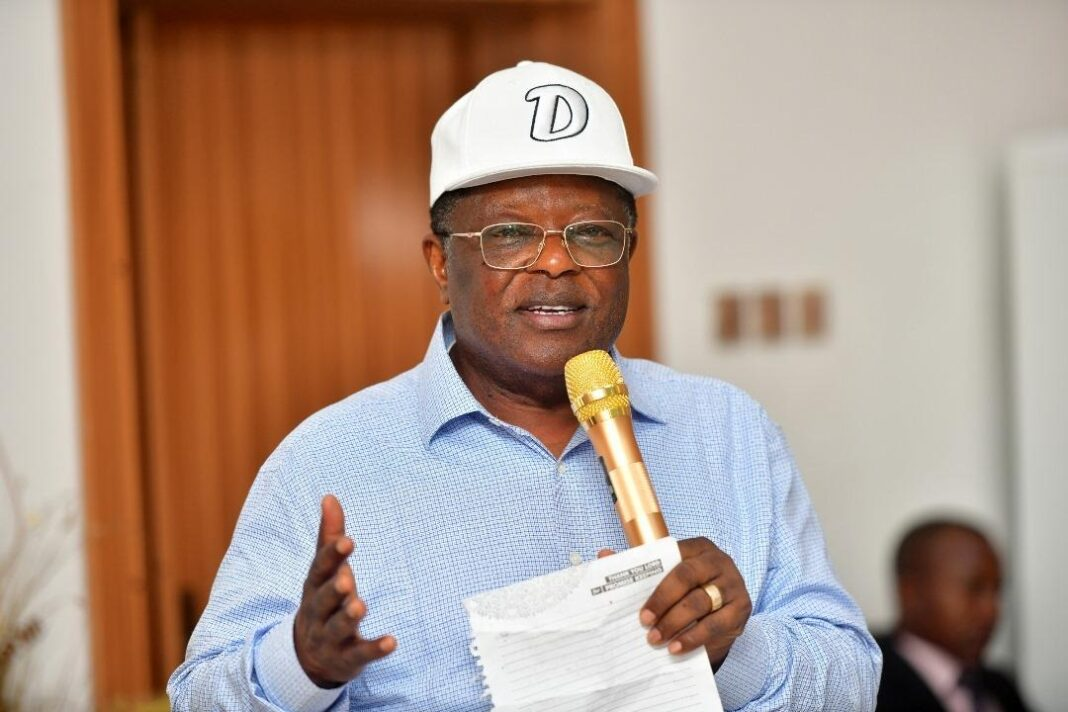
The Minister of Works, David Umahi, disclosed this during a meeting with the management of Nigeria LNG Limited, saying the project reflects a shift from conventional road construction to long-lasting, technology-driven infrastructure.
According to a statement issued by the ministry’s Director of Information and Public Relations, Mohammed Ahmed, on Thursday, the project has received presidential approval and will soon be presented to the Federal Executive Council for ratification.
Umahi said the extension of the Bodo-Bonny Road would be executed using reinforced concrete technology designed to last between 50 and 100 years, significantly reducing maintenance costs.
The minister stressed that the administration of Bola Ahmed Tinubu was committed to transparency, noting that the project would undergo formal approval by the Federal Executive Council.
Beyond the road expansion, Umahi unveiled a broader plan to transform Nigeria’s highways into smart economic corridors, integrating safety, environmental sustainability, and digital monitoring systems.
He explained that the government had approved the installation of solar-powered street lighting and large-scale tree planting along major road corridors to improve visibility, enhance security, and stimulate economic activities in host communities.
Umahi also disclosed plans to deploy Closed-Circuit Television cameras along major highways, backed by monitoring centres, to drastically improve emergency response.
He said, “We are introducing CCTV surveillance systems along key highways with strategically located monitoring centres. This will enable us to respond to emergencies in less than 10 minutes, which is a major leap in road safety and security management in Nigeria.”
To further strengthen highway functionality, the minister said the project design would include rest areas, service stations, and operational hubs to support maintenance and monitoring.